Introduction
Laminates are among the most widely used surface finishing materials in modern interior design and furniture manufacturing. Known for their durability, aesthetic versatility, and cost-effectiveness, laminates have become a preferred alternative to natural materials such as wood veneer or stone.
A laminate is essentially a multi-layer synthetic product fused together using heat and pressure. These layers typically include kraft paper, decorative paper, and a protective overlay. The result is a hard, durable sheet that can be applied to surfaces like plywood, MDF, particle board, and furniture panels.
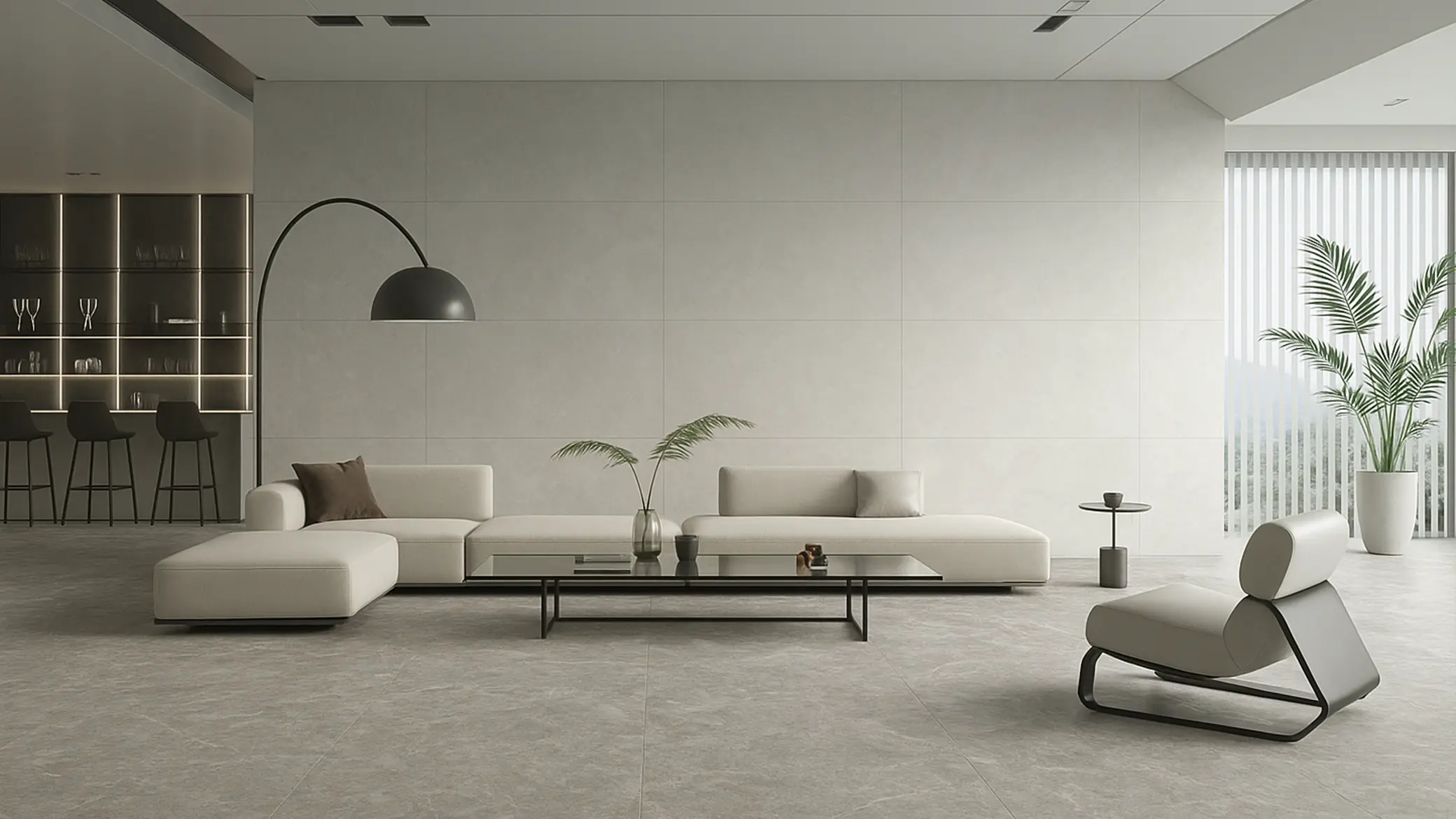
Today, laminates are used extensively in homes, offices, retail environments, kitchens, wardrobes, and commercial interiors, offering a combination of design flexibility and practical performance.
History of Laminates
The development of laminates dates back to the early 20th century when manufacturers began experimenting with layered paper and resin composites.
Key milestones include:
1910s: Early forms of laminated materials developed for industrial insulation.
1920s–1930s: Decorative laminates introduced for furniture and architectural use.
Post-World War II: Laminates gained popularity in residential and commercial interiors.
Modern Era: Advanced manufacturing now enables laminates with realistic textures, digital prints, and high-performance surfaces.
Today, laminate technology has evolved to produce surfaces that mimic wood, stone, marble, fabric, and metallic finishes with remarkable realism.
Types of Laminates
Laminates are available in various categories based on manufacturing process, finish, thickness, and application.
1. High Pressure Laminates (HPL)
High Pressure Laminates are produced by pressing multiple layers of Kraft paper and decorative sheets under high heat and pressure.
Characteristics:
Highly durable
Resistant to scratches and stains
Suitable for heavy-use surfaces
Common uses:
Kitchen countertops
Office furniture
Commercial interiors
2. Low Pressure Laminates (LPL)
Also known as melamine laminates, these are created by pressing decorative paper directly onto board substrates like MD F or particleboard.
Characteristics:
Cost-effective
Lightweight
Suitable for low to moderate usage areas
Common uses:
Wardrobes
Cabinets
Shelving units
3. Decorative Laminates
Decorative laminates focus primarily on aesthetic design and visual appeal.
Available finishes include:
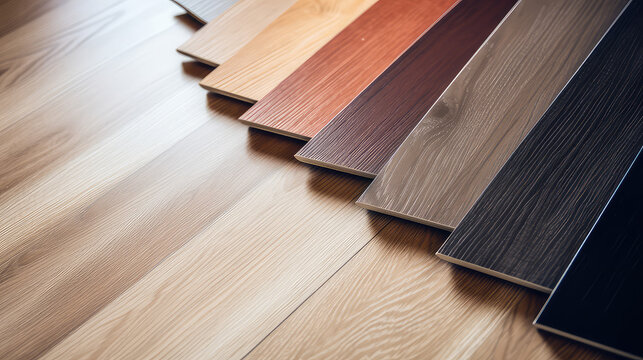
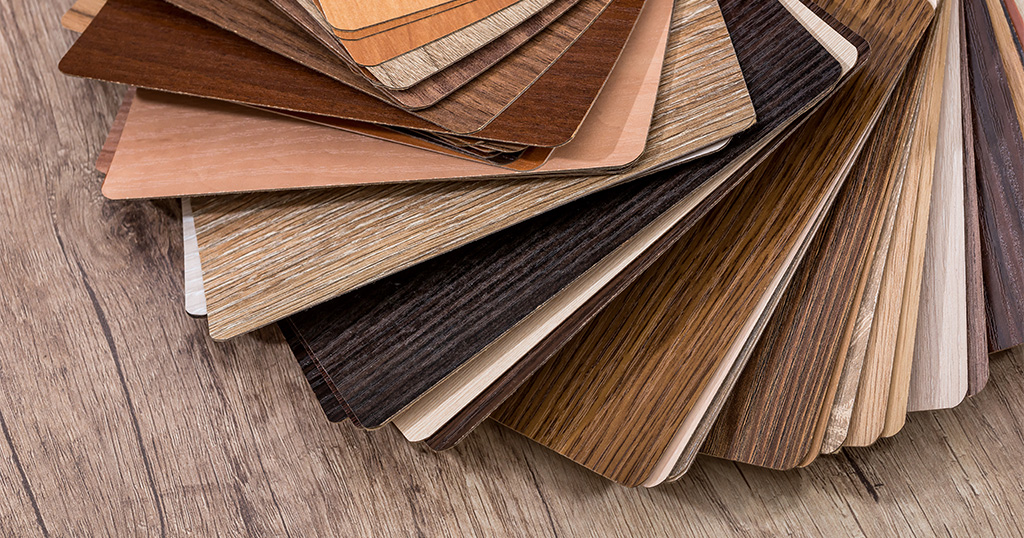
Wood grain
Marble patterns
Abstract textures
Metallic designs
These laminates are widely used in interior decoration and furniture surfaces.
4. Compact Laminates
Compact laminates are thicker and more rigid compared to standard laminates.
Characteristics:
Self-supporting
Moisture resistant
Highly durable
Applications include:
Bathroom partitions
Locker systems
Laboratory furniture
5. Textured Laminates
Textured laminates replicate natural materials such as wood grains, fabric textures, and stone finishes.
Benefits:
Realistic surface appearance
Enhanced visual depth
Improved grip for surfaces
Benefits of Laminates
Laminates offer numerous advantages that make them popular in both residential and commercial spaces.
Durability
Laminates are resistant to:
Scratches
Impact
Heat
Moisture
This makes them suitable for high-traffic areas and frequently used surfaces.
Design Variety
One of the biggest strengths of laminates is their vast design range.
Available options include:
Wood finishes
Stone effects
Solid colors
Digital prints
This allows designers to create customized interiors with consistent aesthetics.
Cost Efficiency
Compared to natural materials like hardwood or marble, laminates are significantly more affordable while still providing a premium appearance.
Easy Installation
Laminates are easy to apply on various substrates such as:
MD F
Plywood
Particle board
This simplifies installation and reduces construction time.
Low Maintenance
Laminates require minimal upkeep and are easy to clean with simple household products.
Common Uses of Laminates
Laminates are used across a wide range of industries and applications.
Residential Interiors
In homes, laminates are commonly used for:
Kitchen cabinets
Wardrobes
TV units
Wall panels
Furniture surfaces
Their durability and design versatility make them ideal for modern interiors.
Commercial Spaces
Laminates are widely used in commercial environments including:
Offices
Retail stores
Hotels
Restaurants
Their resistance to wear and easy maintenance make them suitable for high-traffic spaces.
Healthcare and Educational Facilities
Compact and antimicrobial laminates are commonly used in:
Hospitals
Laboratories
Schools
Public institutions
These environments require materials that are both hygienic and durable.
Maintenance of Laminates
Proper care helps maintain the appearance and longevity of laminate surfaces.
Cleaning
For routine cleaning:
Use a soft cloth or sponge
Clean with mild soap or detergent
Avoid abrasive cleaners
Preventing Damage
Although laminates are durable, some precautions are recommended:
Avoid dragging sharp objects across surfaces
Use heat-resistant mats for hot cookware
Clean spills promptly
Long-Term Care
Regular cleaning and careful usage can keep laminate surfaces looking new for many years.
Laminates vs Other Surface Materials
Understanding how laminates compare with other materials can help in selecting the right option.
| Material | Cost | Durability | Maintenance | Appearance |
|---|---|---|---|---|
| Laminates | Moderate | High | Low | Wide variety |
| Veneer | Higher | Moderate | Moderate | Natural wood |
| Solid Wood | Very High | High | High | Premium |
| Acrylic | High | High | Moderate | Glossy |
Laminates offer an excellent balance of cost, durability, and design flexibility, making them a practical choice for many applications.
Environmental Considerations
Modern laminate manufacturing focuses on sustainability and reduced environmental impact.
Many manufacturers now produce laminates using:
Low-emission resins
Recycled paper content
Sustainable forestry practices
These developments contribute to greener building solutions and responsible interior design.